

Introduction
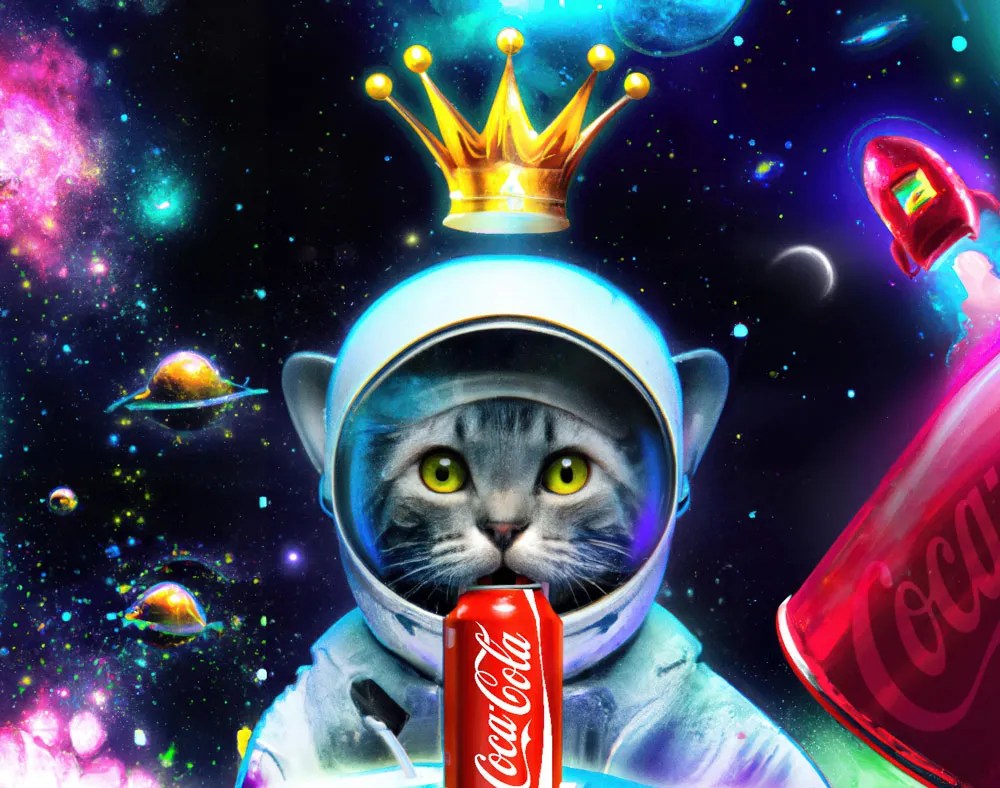
In March 2023, Coca-Cola launched “Create Real Magic”, an innovative platform inviting digital creatives worldwide to engage with the brand’s visual heritage via generative-AI tools.
Rather than simply broadcasting visuals, the campaign asked users to re-imagine iconic assets — from the contour bottle to archive Santa and polar-bear imagery — through the joint power of GPT-4 and DALL·E 2.
The underlying objective: to amplify human creativity with AI, and to integrate technology into a narrative of optimism and connection.
1. Setting Up the Co-Creative Platform
Coca-Cola’s campaign was built around a dedicated microsite, CreateRealMagic.com, where registered users could access a library of branded elements and create artworks using generative-AI.
The platform was developed in partnership with OpenAI and Bain & Company, marking a high-profile brand-tech collaboration.
Rules noted that it was available in select markets—the global access claim is broader than what public documentation confirms.
Selected creator artworks were slated to appear on digital billboards in major locations such as New York’s Times Square and London’s Piccadilly Circus.
2. The Visual & Emotional Strategy
Instead of focusing purely on functional product visuals, the campaign emphasised emotion and heritage. The invitation to users wasn’t just “make a Coke image”, but “re-imagine what our brand imagery means in your language.”
Generative-AI enabled rapid visual experimentation—creators could play with styles, contexts and motifs tied to nostalgia, joy and connection. Franchise assets became creative raw material.
A key quote from the campaign: “Digital creatives around the world can use a first-of-its-kind AI platform to generate original artwork with iconic creative assets from the Coca-Cola archives.”
In essence, the brand shifted part of the visual storytelling engine from agency-driven to community-co-created, layering AI-enabled scale over human vision.
3. Outcomes & Learnings
What worked:
The platform attracted thousands of artworks, providing an accessible entry point into brand visuals for non-traditional creators.
It reinforced the brand’s positioning as not only iconic but participatory and modern—aligning with younger, digital-native audiences.
It enabled a bridge between legacy visual assets and emerging creative tools—keeping the brand relevant in shifting media landscapes.
4. Strategic Implications for Visual Consultants & Brands
- Democratising visuals: When brands give creative assets plus generative tools to users, they transform passive audiences into co-creators.
- Visual heritage as creative playground: Legacy brand imagery can be reframed via AI to feel fresh—without losing its meaning.
- AI as accelerator, not replacer: The power lies not in making visuals faster, but in enabling more voices to reinterpret the brand.
- Guardrails matter: To preserve brand identity, the creative brief and asset library are critical—users still need direction.
- Measure what matters: Engagement and social impact may matter more than raw submission numbers. Quality and emotional resonance count.
Conclusion
Coca-Cola’s “Create Real Magic” shows how a brand can harness generative AI not simply for efficiency, but for participation, emotion and evolution of its visual identity.
The technology provided the canvas; human creativity filled it.
For brands looking to evolve their visual storytelling, the message is clear: give people the tools, own the direction, protect the narrative.
Ultimately, visual relevance in the age of AI isn’t guaranteed by novelty—it’s earned through meaning.
Ready to elevate your brand’s visuals into participatory stories? Let’s explore how we can integrate AI-enabled visuals into your next brand narrative. Contact us today.
 LJ Visual Studio
Leave a comment