

Let’s face it: social media is crowded. If you want your videos to stand out and actually get results, you need to bring your A-game. So, what makes a social media video work? Here are five key ingredients you need to know. We will provide real-world examples. You will also see data that shows you how it’s done.
1. Start with a Killer Hook
You’ve got 3 seconds to grab attention—don’t waste them! A great hook stops the scroll and makes people want to keep watching.
Example: Remember Duolingo’s TikToks? Their mascot, Duo, jumps into absurd or funny situations right from the start. People can’t help but watch to see what happens next.
Tasty’s recipe videos, a part of BuzzFeed, often open with vibrant, close-up shots of food being prepared. These are paired with text like, “Make this one-pot pasta in 20 minutes.”
Data: According to a study by Facebook, videos with engaging openings see up to a 47% increase in watch-through rates.
Try This: Start with a surprising fact, a bold question, or an eye-catching visual. For example, “Did you know 70% of your brain is water?” paired with dynamic text and graphics can hook viewers right away.
2. Add Clear Calls-to-Action (CTAs)
Your video should guide people on what to do next. Want them to visit your site? Like your post? Subscribe? Tell them clearly!
Example: Nike’s Instagram Reels often end with CTAs like, “Sign up Now” or “Tag a friend who needs this!”
Similarly, Zara’s Instagram Stories sometimes include CTAs like, “NEW IN”. This makes it easy for viewers to take immediate action.

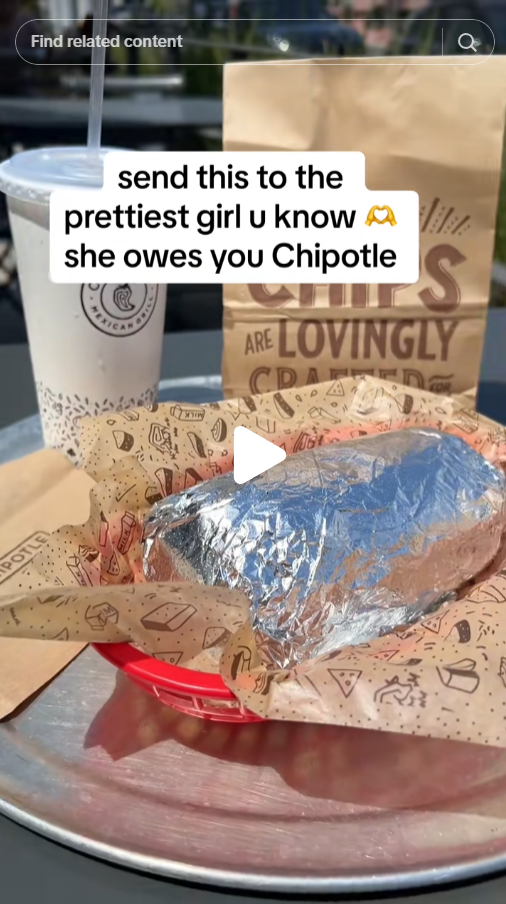
Another standout is Chipotle on TikTok. It encourages viewers to “Send this to the prettiest girl u know, she owes you a Chipotle.”
Data: Adding a CTA can increase conversion rates by up to 80%, according to a 2019 study by Saleslion.
Try This: Use direct CTAs. Examples include “Swipe up to learn more.” You can also use “Click the link to shop.” Another option is “Share this with a friend who needs to see it!” Don’t be shy—people appreciate directness.
3. Make It Look Amazing
Blurry or boring visuals won’t cut it. High-quality, attention-grabbing visuals are a must.
Example: Apple’s iPhone videos are iconic. They use crisp, vibrant shots that show off their products in action. Their recent cinematic slow motion demo turned heads with its movie-like quality.
Another example is Lush Cosmetics, whose close-up product shots with colorful bath bombs create a visually immersive experience.
Data: Research from Animoto shows that 85% of consumers say video quality significantly impacts their perception of a brand.
Try This: Use tools like Canva or CapCut to enhance your visuals. Don’t forget about lighting and sound—even small tweaks can make your videos pop.
4. Tell a Story That Clicks
Stories connect. If your video has a story, people are more likely to remember it and share it.
Example: Dove’s “Real Beauty” campaign told heartfelt stories about self-esteem. These videos resonated with millions because they felt authentic and relatable.
Data: A study by Headstream found something interesting. If people love a brand story, 55% are more likely to buy the product. Additionally, 44% will share the story.
Try This: Think about what your audience cares about. Are they parents, pet lovers, or fitness buffs? Share a story that reflects their world, like a before-and-after fitness journey or a pet rescue tale.

5. Tailor It for the Platform
Each social media platform is different, so make sure your video fits where you’re posting it.
Example: TikTok thrives on short, snappy videos. Brands like Starbucks create quick recipe demos that perfectly fit TikTok’s vibe. Meanwhile, YouTube is ideal for longer content like tutorials or deep dives. On LinkedIn, HubSpot posts professional how-to videos that are concise and directly relevant to marketers.
Data: Social Insider reports that vertical videos have a 58% higher engagement rate on Instagram compared to horizontal ones.
Try This: For Instagram, keep it under 60 seconds and use vertical format. For YouTube, aim for 5-10 minutes of valuable content. Always add subtitles since many people watch videos with the sound off.

Final Thoughts
Creating videos that perform well isn’t rocket science, but it does take some strategy. Start with a great hook, include a clear CTA, and make sure your visuals and story are top-notch. And don’t forget to optimize for the platform you’re using.
Ready to make videos that people can’t stop watching? Start small, test what works, and keep improving. For more tips and pro help, reach out to LJ Visual Studio—we’re here to bring your ideas to life!


Leave a comment