
Podcast marketing has emerged as a highly effective strategy for small businesses. It helps build brand awareness and also fosters deeper customer relationships. Branded podcasts can drive up to 89% higher brand awareness and 57% increased branded consideration compared to other content types. Recent studies show podcast advertising yields nearly five times the ROI of other channels. This underlines its potential as a high-impact marketing tool.
Why Podcast Marketing Matters for Small Businesses
- Builds Deep Trust: Podcast listeners often feel personally connected to hosts, translating into stronger trust in their recommendations. A BBC-commissioned study found branded podcasts deliver 16% higher engagement and 12% better memory encoding than other content formats. This intimate bond means small businesses can leverage host-led discussions to position products as friendly solutions rather than hard sells.
- Cost-Effective Brand Promotion: Launching a podcast requires surprisingly little capital. A quality USB microphone and free editing software like Audacity are enough to get started. Hosting plans begin at under $10/month, making audio content creation an accessible channel—even for solo entrepreneurs.
- Fosters Long-Form Engagement: Unlike fleeting social posts, podcasts let you explore topics in depth. Whether unpacking industry trends or sharing behind-the-scenes stories, long-form audio engages listeners and keeps them coming back episode after episode.
Real-World Examples of Podcast Marketing Success

- Cue Podcasts’ “12 Successful Brands” Study: Global brands like Nike and IBM use branded podcasts to share insider stories. They boost customer loyalty and improve community engagement.
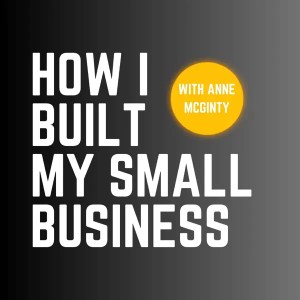
- Anne McGinty’s “How I Built My Small Business”: Anne released her first episode on January 25, 2024. Investor Jason Calacanis reshared Anne’s show on LinkedIn. It soon earned spots in Ramsey Solutions’ “Best Business Podcasts” list and a U.S. News & World Report feature. It swiftly climbed to #1 on the Apple Podcasts Entrepreneurship charts in Great Britain and Ireland—and cracked the top 10 in multiple global markets—all by spotlighting real founder stories and actionable tips
Trends Shaping Podcast Marketing
- Niche-Focused Shows: Podcasts that zero in on specific topics—from vegan baking to boutique finance—attract highly engaged, loyal listeners. Niche content lets you speak directly to your ideal customer.
- Interactive and Video Episodes: More creators are hosting live-recorded shows. They are repurposing audio into video podcasts on YouTube and social media. This approach doubles reach and boosts engagement.
- Data-Driven Optimization: Brands are now leveraging listener analytics—demographics, completion rates, and engagement metrics. They use this data to refine content and ad placements. This ensures each episode performs better than the last.

Step-by-Step Guide to Launch Your Podcast
- Define Your Goal & Audience: Decide on your focus. It could be thought leadership, product education, or customer stories. Pinpoint who you’re speaking to.
- Select Your Format: Choose between solo monologues, expert interviews, roundtable panels, or narrative storytelling based on your objectives.
- Plan & Batch Content: Create an editorial calendar of at least 10 episode ideas. Batch-record multiple episodes in one session to stay ahead.
- Invest in Gear & Software: Start with a USB mic (e.g., Blue Yeti) and headphones. Edit in free tools like Audacity or GarageBand.
- Launch & Distribute: Host on platforms like Libsyn or Anchor. Submit to Apple Podcasts, Spotify, and Google Podcasts. Promote each release via email, social media, and your website.
- Measure & Iterate: Track downloads, listener retention, and subscriber growth. Use insights to refine your format, length, and topics.

Crafting Your Podcast Script: Examples & Tips
A well-structured script keeps your episodes focused. You can start using the simple temple below:
- Introduction: Welcome listeners and introduce the episode’s topic.
- Main Content: Discuss key points, share stories, or conduct interviews.
- Conclusion: Summarize the episode and encourage listeners to subscribe or visit your website.
And here is the basic episode script for your reference:
[00:00] Intro jingle
Host: “Welcome to [Podcast Name], where we explore [topic]. I’m [Your Name], and today we’re talking about [Episode Focus].
[02:00] Segment 1: Key Insight
Host shares background, data, and personal story.
[10:00] Interview Q&A
Host: “Can you walk us through how you overcame [challenge]?” Guest responds.
[25:00] Conclusion & CTA
Host: “Thanks for listening! Subscribe, leave a review, and visit [your website.com] for show notes.
- Tip: Write bullet-point outlines rather than full scripts to keep a natural, conversational tone.
- SEO Show Notes: Include episode summaries, timestamps, and relevant keywords (e.g., “podcast marketing,” “audio content,” “brand awareness”).
Integrating podcasting into your marketing strategy can significantly enhance your brand’s visibility and credibility. When you deliver consistent, valuable content, you engage your current audience. You also attract new listeners who can become loyal customers.

Conclusion
Use audio content to tell your brand’s story. Share your expertise and build lasting relationships with your audience. With thoughtful planning and execution, podcast marketing can be a game-changer for your small business.
At LJ VISUAL STUDIO, we’ve got your back from brainstorming to recording, editing, and distribution. We also support audience growth. This way, you can just hit record and share your story. Tell us your goals and budget, and we’ll whip up a podcast plan that works. Ready to make some noise? Let’s chat!


Leave a comment