

Real Feelings Still Matter in a Digital World
AI can now generate cinematic visuals faster than a camera can focus.
But what draws people in isn’t realism — it’s emotion.
As AI floods the creative world, a quiet divide is emerging between visuals that impress and visuals that connect.
The real challenge for modern marketers isn’t mastering new tools — it’s keeping their work human.
AI Brings Speed, Scale, and Creative Freedom
AI visuals have completely reshaped how teams create content. What once took days can now be done in hours — faster brainstorming, quicker testing, easier production.
The upside:
- Brands can explore dozens of creative directions instantly.
- Smaller teams can create visuals that look global.
- Experimentation no longer costs a fortune.
AI gives brands creative speed. But speed alone doesn’t create meaning — and meaning is what makes audiences care.
When Perfect Looks Fake: The Authenticity Problem
AI’s biggest strength — perfection — is also its weakness.
Perfectly symmetrical faces, flawless lighting, idealized moments — they’re technically brilliant but emotionally flat.
People are drawn to visuals that feel real. When everything looks too perfect, it loses personality.
That’s the authenticity problem: the more AI polishes, the less believable the image becomes.
Research by Adobe and McKinsey shows that nearly 70 % of consumers trust brands more when visuals feel unfiltered or human.
Authenticity has become a visual strategy — not just a creative choice.

Start with Feeling, Not Perfection
AI visuals connect best when they’re built on emotion, not just design.
The way you write your prompt defines the tone.
Instead of saying:
“A woman in a red blazer standing by a window.”
Try:
“Afternoon light, a woman mid-conversation — confident, curious, cinematic tone.”
The first describes a scene. The second builds a story.
Emotion-first prompting helps visuals express personality — warmth, energy, curiosity — not just composition.
Why Imperfection Feels More Human
Real emotion lives in small details — uneven lighting, a hint of motion blur, natural texture.
Those micro “flaws” tell the viewer something human happened here.
Neuroscience research shows that our brains respond positively to subtle imperfection — asymmetry and movement signal authenticity.
In marketing studies, visuals with slight grain or motion perform better because they feel spontaneous.
“Emotion isn’t the opposite of precision — it’s guided by it.”
The best visuals aren’t flawless — they’re alive.
When AI Visuals Feel Human — Real Brand Examples
Across industries, leading brands are proving that AI can enhance creativity without losing authenticity.
Coca-Cola’s “Create Real Magic” invited people worldwide to use AI tools to reimagine its classic visuals — showing how technology can amplify human imagination and joy.
In Moncler’s ‘City of Genius’ in Shanghai (October 2024), generative-AI visuals were employed by collaborator LuLu Li to explore digital volumes and visual language — supporting the immersive, multi-neighbourhood format that blended fashion, art and technology.
Both campaigns show that emotion still drives connection, even when technology drives creation.
What AI Does Well — and Where It Still Falls Short
AI visuals are powerful tools — but not magic. Here’s a balanced view:
| What AI Does Well | Where It Still Struggles |
|---|---|
| Creates visuals fast and consistently | Lacks human intuition and empathy |
| Keeps brand look unified across platforms | Can feel repetitive or soulless |
| Makes creative testing easy | Often over-polishes and removes realism |
| Saves production time and cost | Needs strong human direction and editing |
AI accelerates production — but emotion still needs human judgment.
The best results happen when humans and machines co-create, not compete.

How to Build Emotion Into Your AI Workflow
Emotion shouldn’t be an afterthought. It needs to be part of the workflow from the start.
Try this five-step method:
- Define the feeling. Decide what emotion your audience should feel — calm, bold, inspired.
- Translate emotion into visuals. Use color, tone, and texture to express that feeling.
- Generate with intention. Don’t chase volume; explore emotional range.
- Curate with empathy. Choose images that speak, not just look good.
- Add human touch. Subtle imperfections — natural grain, organic shadows — restore life.
A clear creative process turns AI from a tool into a storyteller.
Practical Tips for Brands Using AI Visuals
Here’s how to make AI visuals more emotionally credible and strategically effective:
- Start with story, not style. Decide what message your audience should feel.
- Use AI to explore, not finalize. Let technology inspire, but let people refine.
- Avoid over-editing. Over-optimized visuals look synthetic.
- Test for emotion. Ask: does this image feel warm, human, real?
- Keep diversity. Use varied prompts, tones, and cultures to avoid sameness.
- Measure what matters. Track emotional reactions — saves, shares, and comments — not just clicks.
Conclusion: Keep the Heart in the Algorithm
AI visuals have given brands an incredible new canvas. But creativity isn’t just about how fast you can create — it’s about how deeply your audience connects.
Technology can generate beauty, but only humans can give it soul.
The next wave of brand storytelling will belong to those who design with empathy — who use AI not to replace emotion, but to express it more powerfully.
“AI creates form. Emotion gives it meaning.”
The strongest brands will be the ones that use both — logic and feeling, precision and imperfection — to make their stories feel real.
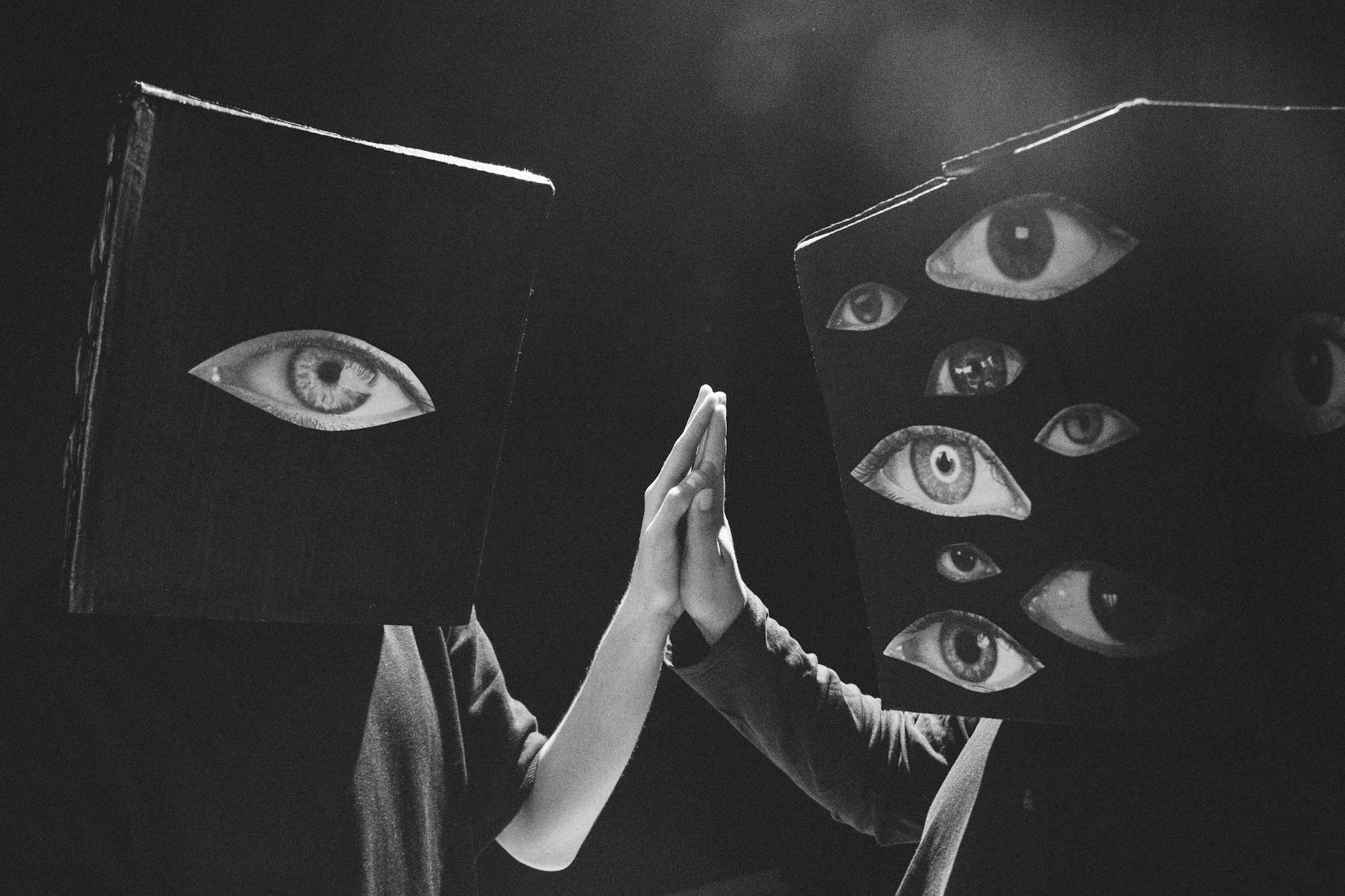
Let’s Create Visuals That Feel Real
AI can make content fast — but together, we can make it meaningful.
If your brand is ready to turn AI visuals into real emotional stories, connect with LJ Visual Studio to start designing your next visual chapter.


Leave a Reply